


2026 Ford Escape Performance: Find Your Fit in St. Louis
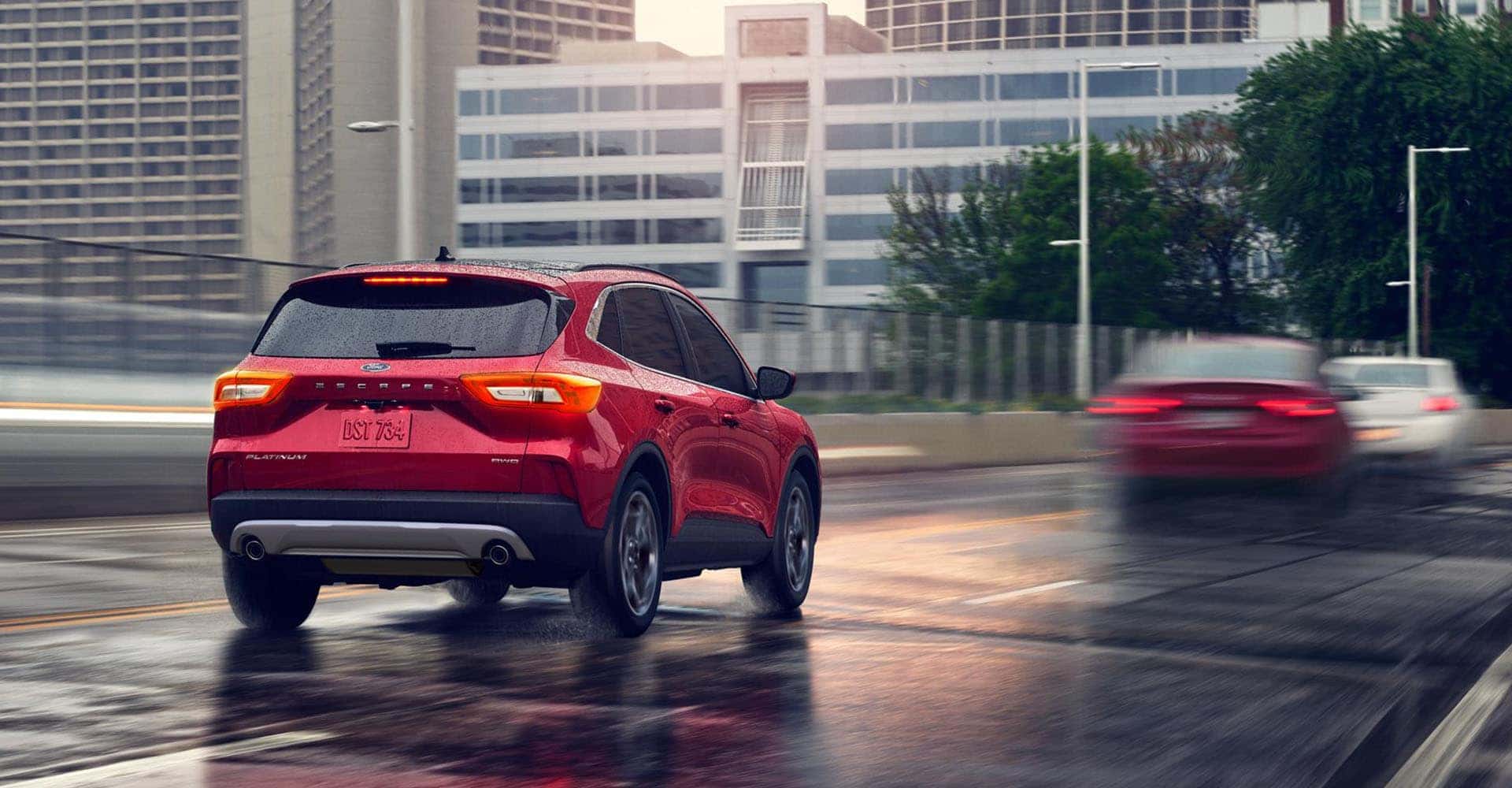
When you compare compact SUVs, performance isn’t just about speed. It’s how easily you merge onto I-70, how steady the chassis feels in a summer downpour, and how rarely you stop for fuel. This guide breaks down the 2026 Ford Escape performance—engines, horsepower, torque, MPG, hybrid choices, and AWD—so you can pick the setup that fits life in St. Charles and Greater St. Louis.
Ford Escape Horsepower: The Engine Lineup, Explained
Escape offers four well-matched powertrains: a 1.5L EcoBoost® three-cylinder, a 2.0L EcoBoost® four-cylinder, a 2.5L hybrid, and a 2.5L plug-in hybrid (PHEV). The 1.5L focuses on quiet, efficient commuting; the 2.0L adds confident passing power; the hybrid smooths stop-and-go traffic; and the PHEV brings around-town EV driving with gasoline backup for longer trips. In plain terms, you can pick the feel you like—calm and efficient, or punchy and quick—and still keep the compact footprint that makes city driving easy.
Why it matters: You can tune the 2026 Ford Escape performance to your priorities. If you crave highway punch, the 2.0L is the easy choice; if fuel spend matters most, the hybrid or PHEV will win your weekly budget.
Ford Escape AWD: Traction for Missouri Weather
Ford Escape AWD is available across much of the lineup and comes paired with Selectable Drive Modes. Switch from Normal to Slippery when roads turn icy, or to Sport when you want sharper response for fast on-ramps. Some versions add AWD Disconnect, which can decouple the rear axle at cruise to save fuel. The result is composure in rain or light snow without making the vehicle feel heavy or busy in everyday driving.
Local takeaway: When a pop-up storm rolls through Forest Park or you’re leaving a gravel lot after a soccer match, the system makes the Ford Escape performance feel planted and predictable.
2026 Ford Escape Specifications: MPG You Can Plan Around
Fuel economy is often the tie-breaker. Benchmarks for the current engines point to strong results: the 1.5L EcoBoost posts excellent combined MPG for daily commuting; the 2.0L trades a bit of mileage for confident power; the hybrid pushes economy into road-trip-friendly territory; and the PHEV delivers an EV-only range for errands before blending into hybrid mode on longer drives. Your numbers will vary with equipment, weather, and driving style, but the takeaway is simple—there’s an Escape configuration that keeps performance and fuel costs in balance.
Why it matters: Those figures show why the Ford Escape’s performance resonates with value-minded buyers. You can have strong acceleration, standout efficiency, or a smart mix of both.
How It Drives Day to Day (Commuters and Families)
In town, the 1.5L and hybrid feel relaxed and quiet, with easy low-speed control for school lines, parking garages, and curbside pickups. On the highway, the 2.0L EcoBoost’s stronger torque helps you merge and pass without fuss, while the smooth automatic transmission keeps revs low for a calm cabin. The PHEV shines for short, frequent trips—think grocery runs on Manchester or practice off Route 94—then behaves like a hybrid when plans take you farther. Add AWD and the Slippery drive mode, and you get year-round confidence without sacrificing comfort.
Want to feel the difference between the 2.0L, Hybrid, and PHEV back-to-back?
Who Should Choose What?
Still deciding which way to go? Match your daily routine to the powertrain personality below. Think about where you drive most, how often you hit the highway, and whether you can plug in at home—then use this as a rule-of-thumb guide before you book a back-to-back test drive.
- Daily Commuters (city-heavy): Hybrid—smooth takeoffs and fewer fuel stops.
- Highway Regulars (longer stints): 2.0L EcoBoost—easy passing and relaxed cruising.
- Mixed Errands and Short Trips: PHEV—electric miles for town, hybrid flexibility for weekends.
- Budget-First Buyers: 1.5L EcoBoost—balanced power, approachable price, and solid MPG.
How the Escape Handles Missouri Weather
Traction is one piece of the puzzle; control is the other. Selectable Drive Modes adjust throttle and shift logic to suit conditions, while stability systems help manage wheelspin on slick surfaces. Pair a Ford Escape AWD with good all-season (or winter) tires, and the chassis feels poised from light snow in University City to summer downpours on I-55. The learning curve is short, and the systems stay in the background until you need them.
Pundmann Ford Makes It Easy: Pick Power, Then Take the Wheel
When you’re ready to compare, Pundmann Ford lines up trims and powertrains, explains the equipment, and maps a route that mirrors your commute. We’ll show you how the Ford Escape performance changes with each engine, walk you through estimated fuel costs, and tailor payments to your plan—so the only surprise is how quickly it feels like your SUV.
Compare engines on the road and choose your powertrain today.
0 comment(s) so far on 2026 Ford Escape Performance: Find Your Fit in St. Louis